Featured
Some Known Factual Statements About Warning Signs While E...

Not known Factual Statements About How Waiting to Pursue ...

Some Known Details About Everything to Know In the Bankruptcy Counseling : APFSC’s Guidance for Financial Relief Journey
Table of Contents
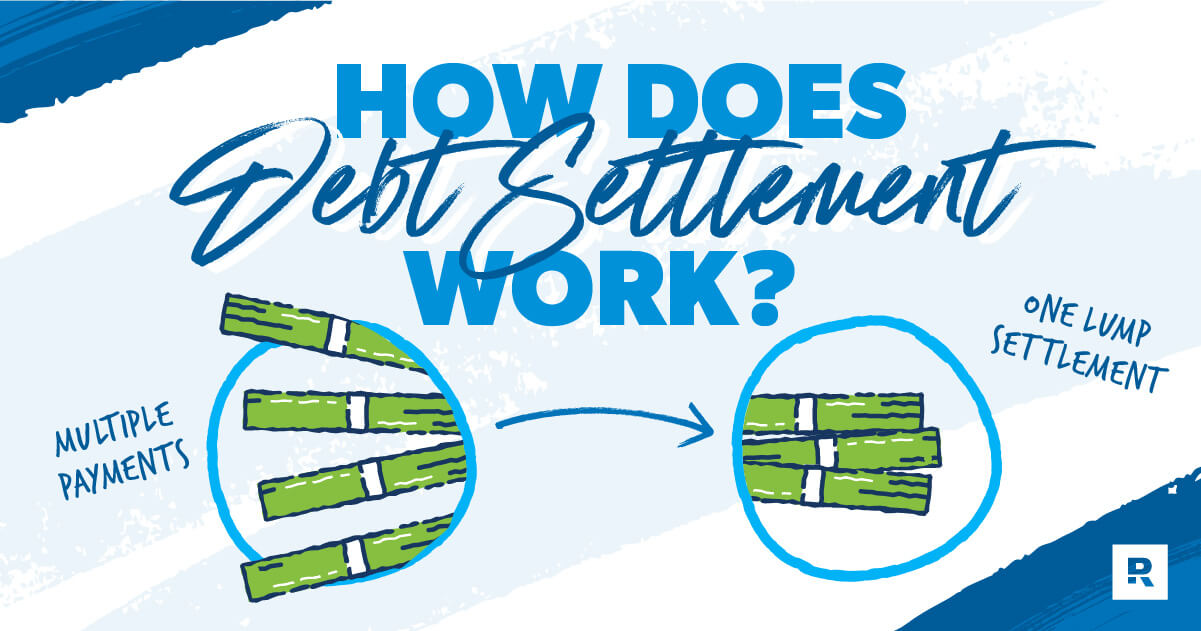
That releases up cash in the short-term, and you might have 3 to four years to conserve towards the negotiation quantity. Really hazardous to credit report, mostly as a result of missed settlements and an adverse "worked out" mark that can remain on your credit score report for as much as 7 yearsMay be just choice if other choices (debt loan consolidation, equilibrium transfer bank card, financial debt mercy) aren't possibleTypically requires a charge to the third event, which might offset some or every one of the financial savings from financial obligation settlementMay assist you stay clear of insolvency if you have actually missed out on several paymentsNot all financial institutions work with financial obligation settlement firms Financial debt forgiveness might be ideal for you if you are experiencing a monetary challenge that makes it nearly impossible to pay down your financial obligation balances.
With a DMP, you make one month-to-month settlement to the credit report counseling company. Those funds are then dispersed to financial institutions of your unsafe debts, such as credit history cards and installment finances. The company deals with your financial institutions to minimize rates of interest or forgo costs, yet some lenders might refuse such giving ins.
It can help you pay down financial debt if you're able to protect a car loan rate that's reduced than the ordinary price of the accounts you're consolidating. You should avoid from racking up financial debt on those freshly gotten rid of accounts or your financial obligation can grow even greater.
That provides you plenty of time to remove or significantly minimize your equilibrium while making interest-free repayments.
Developing Post-Bankruptcy Counseling : APFSC’s Guidance for Financial Relief Spending Strategy That Protects You Fundamentals Explained
You might require it if your financial institution or a debt collection agency ever before attempts to accumulate on the financial obligation in the future. The letter might verify you do not owe what the debt collection agency's records reveal. Yes, in many cases, the internal revenue service considers forgiven financial debt as taxed income. When a lending institution forgives $600 or more, they are required to send you Kind 1099-C.
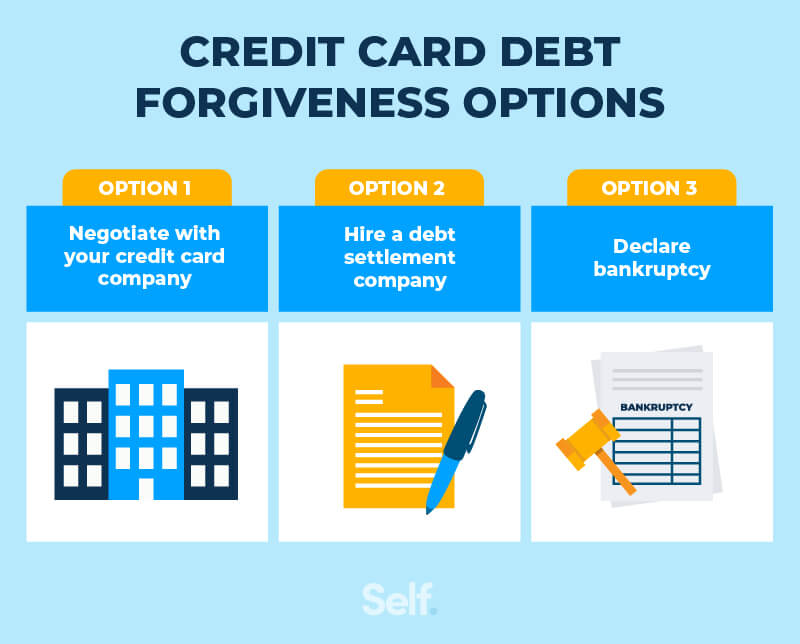
Debt forgiveness or negotiation generally injures your credit score. Anytime you work out a debt for less than you owe, it might show up as "cleared up" on your credit rating record and impact your credit report score for seven years from the day of negotiation. Your credit can also drop considerably in the months resulting in the forgiveness if you fall back on repayments.
Typical Misconceptions About Bankruptcy - Truths
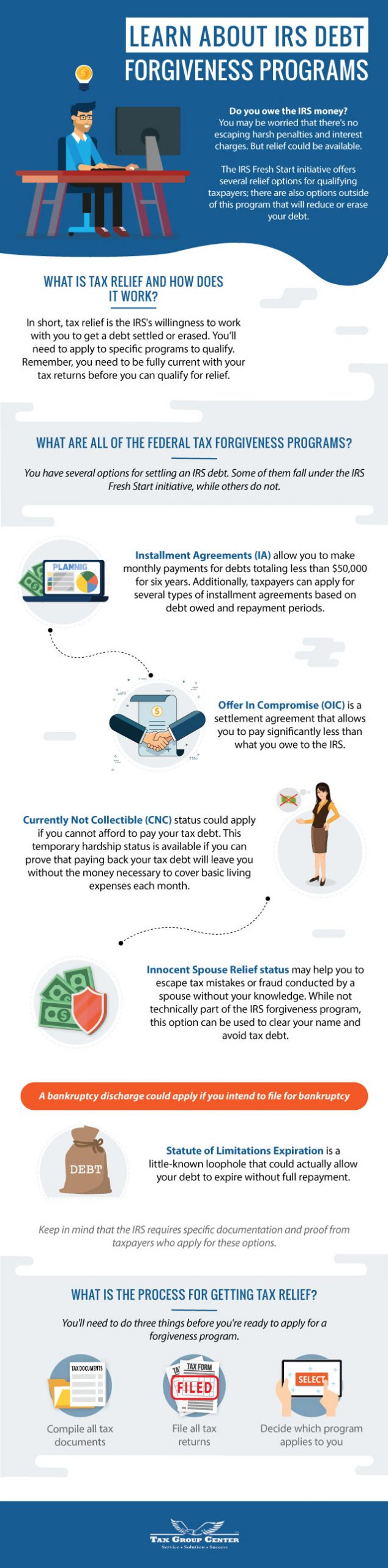
Tax obligation financial debt compromise programs Tax obligation financial debt occurs when the amount of taxes you owe surpasses what you have actually paid. This scenario usually results from underreporting revenue, not filing returns on schedule, or inconsistencies found during an internal revenue service audit. The repercussions of collecting tax obligation financial obligation are severe and can consist of tax obligation liens, which provide the IRS a legal claim to your residential or commercial property as security for the financial debt.
Higher rate of interest prices on readily available credit history. Earnings and Bank Accounts IRS can impose (seize) earnings and financial institution accounts to satisfy the financial obligation. Reduced revenue and disruption of important financial procedures. Property Seizure In extreme situations, the IRS can seize and market residential property to cover the debt. Loss of valuable properties and potential displacement.
Social Stigma Facing lawful activity from the IRS can bring social preconception. Employment Opportunities An inadequate credit rating score due to tax financial obligation can limit employment chances. Government Advantages Tax obligation debt might impact qualification for government advantages, such as Social Safety And Security and Medicaid.
Little Known Questions About Post-Bankruptcy Counseling : APFSC’s Guidance for Financial Relief Help Including Follow-Up Services.
The OIC considers a number of elements, consisting of the taxpayer's income, expenditures, possession equity, and capacity to pay. Effectively discussing an OIC can be complex, calling for a complete understanding of the IRS's guidelines and a strong disagreement for why your deal aligns with your ability to pay. It is essential to keep in mind that not all applications are accepted, and the procedure calls for detailed financial disclosure.
The internal revenue service examines your overall monetary circumstance, including your revenue, expenses, asset equity, and ability to pay. You must additionally be current with all declaring and repayment demands and not be in an open personal bankruptcy proceeding. The internal revenue service also considers your compliance history, reviewing whether you have a document of timely filing and paying tax obligations in previous years.
Local Resources That Offer Debt Relief Fundamentals Explained
The application procedure for an Offer in Compromise involves a number of detailed actions. You need to finish and submit IRS Form 656, the Deal in Concession application, and Kind 433-A (OIC), a collection info statement for people. These types need extensive financial info, consisting of information about your revenue, debts, expenditures, and properties.
Back tax obligations, which are unsettled taxes from previous years, can considerably boost your complete IRS financial debt if not resolved quickly. This financial obligation can accrue passion and late repayment fines, making the initial quantity owed a lot bigger gradually. Failing to repay tax obligations can cause the IRS taking enforcement actions, such as issuing a tax lien or levy against your residential property.
It is essential to resolve back tax obligations as soon as feasible, either by paying the total owed or by organizing a payment plan with the internal revenue service. By taking aggressive steps, you can stay clear of the build-up of added interest and fines, and protect against more aggressive collection actions by the IRS.
One common reason is the belief that the taxpayer can pay the total either as a lump amount or via a layaway plan. The IRS additionally considers the taxpayer's income, costs, property equity, and future earning possibility. If these aspects suggest that the taxpayer can pay for to pay greater than the offered quantity, the internal revenue service is most likely to deny the offer.
The Advantages and Cons When Considering Debt Forgiveness Can Be Fun For Everyone
Dealing with Internal revenue service debt can be intricate and overwhelming. Tax specialists, such as CPAs, tax attorneys, or enrolled agents, can give important support.

Table of Contents
Latest Posts
Getting My Understanding Your Budget Adjustments for Debt Relief and Financial Stability : APFSC Options and Requirements To Work
Some Known Details About Exploring Debt Relief Options and What You Need to Know
:max_bytes(150000):strip_icc()/DebtRelief-BestDebtReliefCompaniesImage-65c32a5716014aeca3a4e55477cb8130.png)
Some Known Factual Statements About Warning Signs While Evaluating a Cultural Dimensions of Money: Tailoring Counseling for Diverse Financial Beliefs Provider
More
Latest Posts
Some Known Details About Exploring Debt Relief Options and What You Need to Know